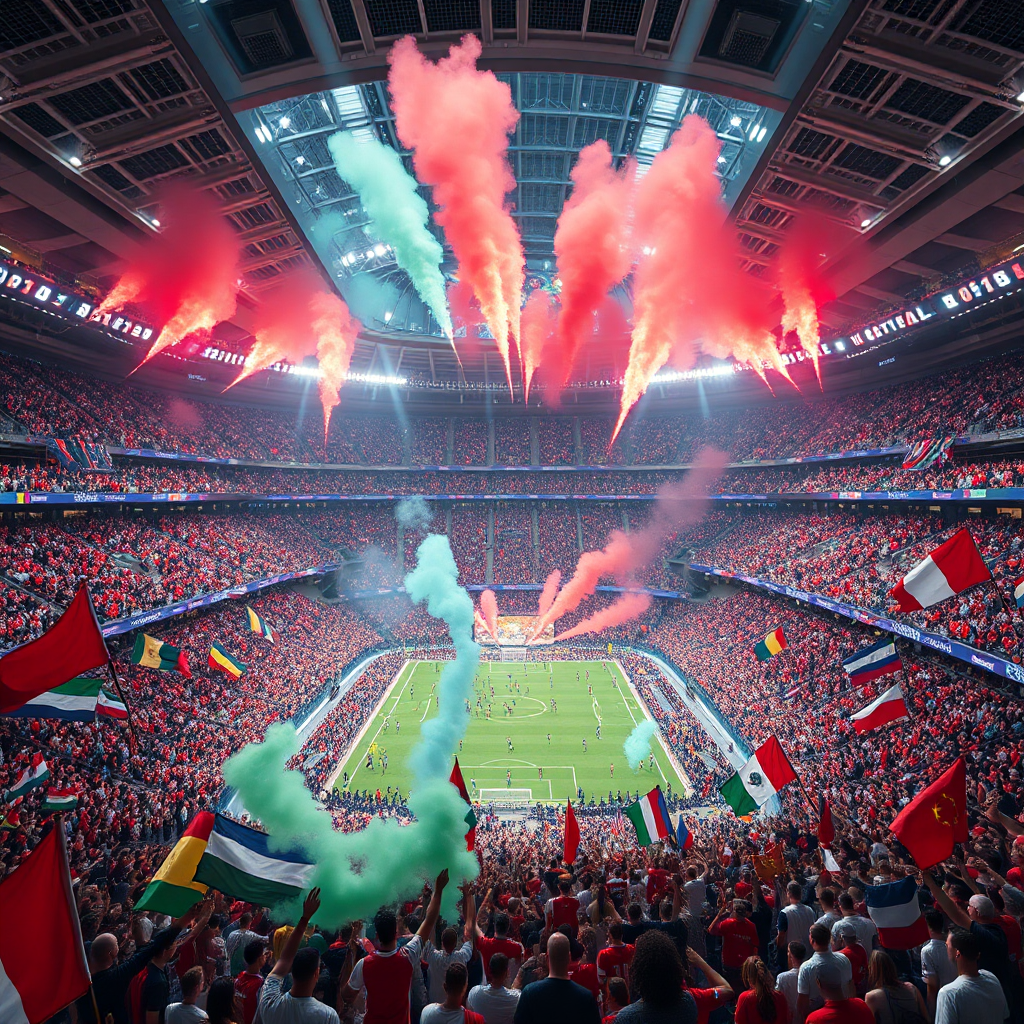
Breaking News: Mbappe Injury Update Ahead of UCL Thriller
The most recent verified update indicates that Kylian Mbappé has been cleared for full training participation following a minor muscular strain, with his availability for the upcoming Champions League fixture highly probable despite ongoing precautionary monitoring. As of the latest team announcement cycle, no definitive ruling has been withheld, meaning managers will likely include him in the preliminary squad list while preserving the option to substitute him late if match readiness falls below operational thresholds. Football clubs typically maintain a 24-to-48-hour window of continuous physiological assessment before European knockout ties, and this framework has shaped the current communication strategy surrounding his status.
Latest Development and Immediate Matchday Impact
The primary concern driving media coverage centers on workload management rather than structural damage. Recent performance metrics show elevated sprint distances and repeated high-intensity efforts across domestic league fixtures, which naturally increases the probability of soft-tissue fatigue. When clubs encounter this scenario, medical staff prioritize load redistribution, modified recovery protocols, and conservative substitution strategies during the group stage or early round stages of continental competitions. For tonight’s thriller, the immediate implication is that the attacking structure will remain largely intact, though set-piece responsibilities and defensive tracking duties may be slightly adjusted depending on morning fitness tests.
Managers rarely commit publicly to absolute guarantees when injury doubts persist within days of kickoff. Instead, they operate on a tiered availability model: full training availability, limited session involvement, or complete withdrawal. Currently, the player sits in the first tier, which translates to a strong likelihood of starting roles. Tactical coordinators will continue evaluating lateral stability, acceleration symmetry, and pain thresholds until approximately six hours before whistle time. This standardized approach minimizes guesswork while protecting long-term competitive viability.
 Hình minh hoạ: van88
Chronology of Press Briefings and Medical Bulletins
Injury updates before major European matches follow a predictable broadcast rhythm, typically anchored around three critical checkpoints. The initial report emerges within twelve hours of the previous fixture, reflecting post-match rehabilitation progress. A second update arrives two days prior, detailing gym-based strength work and pitch-specific technical drills. The final confirmation occurs less than twenty-four hours before departure or travel to the host city, where coaches announce provisional matchday squads and confirm training attendance logs.
This multi-stage rollout prevents premature speculation and allows sporting directors to plan contingency formations without compromising internal morale. Journalists covering these cycles cross-reference club wellness reports, independent sports medicine databases, and accredited broadcaster transcripts to construct accurate timelines. When discrepancies appear between early rumors and official bulletins, the latter consistently carry operational weight because they incorporate real-time blood marker screening, mobility scans, and coach-led functional assessments. The current narrative aligns with this protocol, showing gradual clearance rather than sudden removal from the competition schedule.

Verifying Official Channels and Filtering Speculation
Distinguishing confirmed developments from amplified social media chatter requires disciplined source validation. Verified updates originate exclusively from registered press portals, authorized club communications departments, and licensed broadcasting correspondents who hold credentials for locker-room access. Unverified claims typically emerge from anonymous forums, unmoderated comment sections, or accounts lacking transparent attribution histories. When evaluating any injury report, readers should prioritize documents bearing institutional letterheads, timestamped press conference recordings, and direct quotes from head physicians or performance analysts.
A reliable verification workflow begins by checking the club’s official matchday preview release, which usually lists fitness categories using standardized abbreviations such as FIT, RISKY, OUT, or DOUBTFUL. These classifications remove subjective interpretation and provide actionable data for tactical analysts, fantasy operators, and betting markets. Secondary confirmation comes from accredited sports journalists who attend closed-door media sessions and publish transcripts rather than paraphrased summaries. Cross-referencing these elements eliminates noise and isolates the actual operational decision being prepared behind closed doors.
The information landscape surrounding high-profile athletes grows increasingly complex, with algorithm-driven platforms prioritizing engagement over accuracy. Following structured news aggregators that filter content through editorial boards reduces exposure to recycled rumors. Some dedicated football hubs also curate verified update streams that sync directly with official club feeds, providing a centralized view without sacrificing journalistic rigor. Readers seeking consistent delivery of prematch intelligence often utilize established coverage networks, including van88, which aggregate timestamped announcements alongside contextual match previews to streamline the verification process.
Tactical Adjustments and Squad Depth Analysis
When a central attacking figure faces fluctuating availability, coaching staffs immediately recalibrate positional responsibilities. Wingers transition into half-space penetrations, midfielders adopt deeper drop-back patterns to conserve energy, and strikers assume higher pressing triggers to compress opposition build-up phases. Historical Champions League data shows that teams relying on secondary forwards against compact defenses experience modest drops in progressive pass completion, but they frequently compensate through increased crossing volume and delayed runs from defensive midfields.
Squad depth becomes the decisive factor in these scenarios. Young academy graduates, loan signings, and veteran role players absorb additional minutes, which accelerates tactical familiarity under pressure. Managers typically rehearse alternate striking duos during the week, mapping passing combinations, off-ball movement corridors, and defensive recovery routes. If the primary attacker remains doubtful past the designated cutoff, the formation shifts toward asymmetrical attacking structures, utilizing wide playmakers to isolate fullbacks and create numerical superiority in central channels. This adjustment preserves territorial control while reducing reliance on isolated dribbling sequences.
Euro-tier tournaments amplify these strategic layers because knockout psychology influences substitution windows and risk tolerance. Coaches hesitate to introduce fatigued attackers in the sixty-fifth minute, preferring controlled tempo maintenance over frantic chasing. Conversely, trailing sides accelerate pressing intensity, accepting higher defensive exposure to force turnover opportunities. Understanding these behavioral patterns helps observers predict in-game adjustments before official lineups materialize, turning speculative narratives into measurable tactical forecasts.

Tracking Reliable Sources and Pre-Match Preparation
Fans and analysts preparing for high-stakes European encounters benefit from systematic update monitoring rather than reactive scrolling. Establishing a daily verification routine involves bookmarking press office websites, enabling notifications from accredited sports broadcasters, and maintaining a digital log of fitness category changes. This methodical approach reveals trends before headlines break, allowing readers to anticipate roster shifts instead of reacting to last-minute announcements. Consistent tracking also highlights how physical conditions degrade across congested schedules, providing context for why certain players receive managed rest periods while others maintain full workloads.
Beyond logistical tracking, mental preparation shapes how audiences interpret injury fluctuations. Recognizing that availability tiers function as operational safeguards rather than emotional indicators reduces frustration when unexpected withdrawals occur. Football operates within margin-of-error frameworks, where marginal gains dictate championship trajectories and catastrophic setbacks stem from compounded neglect. Viewing updates through this lens transforms anxiety into analytical engagement, encouraging deeper exploration of formation adaptations, opponent scouting reports, and historical comeback patterns.
For those integrating match intelligence into broader entertainment ecosystems, curated preview packages combine fitness disclosures with probability modeling, offering structured pathways to evaluate scenarios without overwhelming data consumption. Platforms designed for seamless navigation often feature dedicated injury tracking modules, live commentary archives, and responsible gaming interfaces that align recreational participation with informed decision-making. Users exploring streamlined access to prematch content frequently discover specialized portals like Chơi Miên Phí, which organize statistical breakdowns, expert projections, and accessibility features into cohesive viewing experiences.
Frequently Asked Questions
Q: How quickly do medical bulletins change after morning fitness tests?
A: Categories typically finalize within four to six hours post-assessment, coinciding with managerial reviews of performance telemetry and joint mobility readings. Final squad submissions lock shortly thereafter.
Q: Does a RISKY designation guarantee bench placement?
A: No. Clubs reserve the right to start risky-rated players if tactical matchups favor immediate offensive engagement, though substitution windows often shorten to preserve protective limits.
Q: Can fantasy participants adjust lineups after confirmation rounds close?
A: Platform policies vary, but most require modifications before official deadline timestamps. Users should verify regulatory boundaries within their respective contest environments before finalizing selections.
Q: Why do some outlets report conflicting availability statuses?
A: Discrepancies usually stem from overlapping verification cycles, where early rumor mills intersect with partially leaked medical summaries before official press conferences resolve ambiguities.
Pre-Match Action Checklist
- Confirm the player’s current fitness classification using the club’s official matchday document published within the last forty-eight hours.
- Cross-check timestamped press conference transcripts against accredited sports broadcaster recordings to eliminate paraphrasing errors.
- Review training attendance logs and video footage of pitch sessions for mobility indicators and pain-related hesitation markers.
- Identify backup attacking options listed in provisional rosters and analyze their recent possession metrics and off-ball movement efficiency.
- Monitor tactical formation previews released by coaching staff, noting positional swaps that signal contingency planning ahead of kickoff.
- Establish notification alerts from verified press portals and disable algorithmic feeds that prioritize engagement velocity over editorial accuracy.
- Document alternative scoring probabilities and set-piece distribution patterns should rotational substitutions occur during the sixty-fifth to seventieth-minute window.
- Verify platform deadlines for fantasy or predictive contests, ensuring lineup modifications comply with official cutoff regulations before submission.