
Champions League Preview: Key Matchups and Predicted Lineups for the Upcoming Fixtures at v79.mx
Three developments immediately shape the tactical and scheduling landscape ahead of this Champions League matchday. First, the compression of points at the summit of multiple groups has transformed remaining fixtures into de facto knockout rounds, where single errors carry disproportionate consequences. Second, recent defensive vulnerability trends indicate a measurable shift toward compact mid-block formations, with coaches prioritizing structural discipline over vertical pressing in the opening thirty minutes. Third, fixture congestion across domestic and European competitions has accelerated rotation cycles, forcing technical directors to trust second-string professionals and youth pathway graduates, which directly influences early-game tempo and set-piece coordination.
Fixture Calendar and Matchday Schedule Framework
The upcoming Champions League window operates on a tightly regulated timetable designed to balance broadcasting requirements with player recovery windows. Matches are distributed across Tuesday and Wednesday evenings, aligned to Central European Time kickoffs that facilitate synchronized global audiences. Secondary fixtures typically begin at 18:45 CET, allowing gradual audience buildup, while marquee matchups anchor the 21:00 CET slot. Organizers enforce strict adherence to these windows, permitting alterations only for extreme weather events or stadium infrastructure failures, which are communicated through official club networks forty-eight hours before departure.
Scheduling precision matters because travel logistics intersect directly with performance readiness. Clubs navigating long-haul flights or multi-city circuits implement targeted load management protocols, including adjusted training intensities and nutritional pacing. Broadcast partners coordinate feed distribution to prevent domestic league overlap, ensuring dedicated pre-match analysis and post-whistle breakdowns remain accessible. Supporters monitoring official tournament portals will find standardized pitch specifications, referee pairings, and fourth-official assignments published concurrently with calendar releases, eliminating ambiguity regarding venue operations. Double-header periods require additional buffer days, which explains why midweek slots rarely shift after the initial publication cycle.
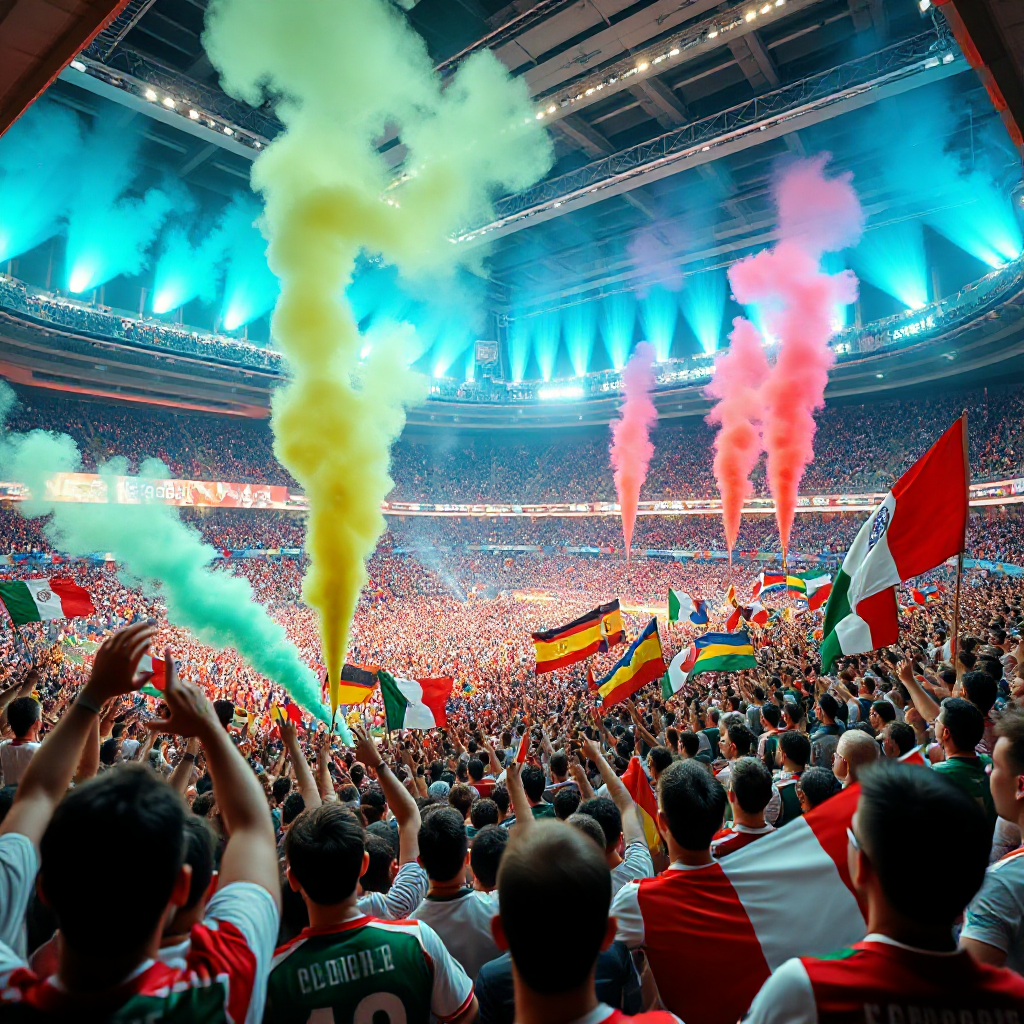
 Hình minh hoạ: V79.com
Recent Outcomes and Standing Implications
Evaluating the latest matchday results reveals a clear structural trend: consistency now outweighs sporadic brilliance in determining qualification pathways. Several established sides secured narrow victories against technically inferior opponents, highlighting persistent gaps in final-third execution. Meanwhile, unexpected losses among historically dominant clubs have erased comfortable margins, forcing tactical recalibrations that will ripple through subsequent group stages. Standings calculations must account for goal difference decay, away performance reliability, and head-to-head resolution mechanisms, as point totals alone fail to capture competitive positioning accurately.
The aftermath of these results directly influences strategic planning. Managers who suffered defensive breakdowns often abandon high-intensity pressing schemes in favor of controlled possession phases, reducing transitional exposure while limiting creative throughput. Wing-focused attacks have increasingly centralized their routing to exploit congested penalty areas, demanding quicker combination play from interior forwards. Fatigue accumulation from consecutive European campaigns introduces variable performance ceilings, making rest administration as critical as tactical drilling. Casual analysts should examine underlying efficiency metrics rather than surface scores, since sustained possession without high-quality chance creation frequently masks systemic inefficiency. Tracking these shifts enables accurate projection of how current table positions will stabilize or invert before the bracket phase begins.

Tactical Breakdown and Predicted Starting XI Composition
Constructing predicted lineups requires synthesizing injury clearance lists, suspension mandates, and historical deployment patterns. Technical staffs routinely alternate between four-three-three and three-two-four-five architectures, selecting configurations that neutralize opponent strengths while maximizing own-team transitional speed. Anticipated starting elevens emphasize European competition veterans, particularly in midfield governance and defensive reorganization. Fullback selections hinge on stamina reserves and crossing accuracy, while center-back partnerships depend on synchronized marking drills executed during closed-door training sessions.
Positional clashes will likely dictate early momentum swings. Central midfield confrontations focus on ball recovery frequency and progressive passing velocity, with holding mids instructed to compress space while advanced operators seek rapid penetration near the penalty arc. Wide forwards facing inverted fullbacks must execute sharp directional cuts under physical pressure, requiring refined first-ball control and decision latency reduction. Goalkeeper deployment strategies diverge between traditional shot-stopping and sweeping responsibilities, contingent upon whether the team maintains a high defensive threshold or adopts conservative depth. Substitution triggers generally activate around the fiftieth minute, introducing calibrated replacements when muscular glycogen depletion slows transition acceleration and spatial awareness narrows.
Tracking Official Schedules and Verified Data Ecosystems
Reliable matchday preparation depends on accessing centralized repositories that aggregate fixture confirmations, lineup declarations, and real-time score progression. Tournament authorities publish master calendars well in advance, allowing stakeholders to allocate resources without depending on delayed third-party aggregators. Verification protocols involve cross-referencing club communications against league databases, ensuring accuracy before publishing forecasts or analytical summaries. Mobile notification systems deliver immediate alerts for squad announcements, video assistant referee interventions, and final whistles, preserving engagement during constrained daily schedules.
For enthusiasts seeking streamlined navigation alongside secure access to tournament documentation, many prefer integrated viewing ecosystems that consolidate schedules, statistical archives, and community discussions. Platforms such as V79.com organize match centers into logical categories, enabling rapid retrieval of historical comparisons and current form indicators. Practitioners evaluating predictive models should compare outputs across independent analytics providers, since algorithmic variance stems from differing weight coefficients and data refresh frequencies. Maintaining disciplined information consumption habits prevents reliance on unverified rumors or speculative roster movements that rarely materialize before administrative deadlines.
A complementary verification method involves following accredited journalist networks authorized to conduct post-match briefings and facility tours. These verified reporters deliver direct managerial statements, physiological assessments, and tactical rationales unavailable through automated scoring interfaces. When reviewing lineup speculation, prioritize sources citing medical department updates or training ground observations rather than anonymous messaging channels. Consistent engagement with primary publications ensures alignment with regulatory amendments, transfer market closures, and competition format revisions that occasionally alter bracket sequencing mid-campaign.

Recommendations by Reader Group
Different audience segments gain maximum utility when aligning information consumption with specific objectives. Casual supporters prioritizing entertainment should reserve uninterrupted viewing blocks for confirmed kickoffs, focusing exclusively on fixtures featuring high-scoring offenses or structurally sound defenses. Fantasy league managers require granular attention to predicted starting compositions, rotating squad members based on expected duration allocation and favorable matchup geometry against depleted defensive units. Statistical analysts and recruitment scouts must track spatial heat mapping, pressure-adjusted pass completion rates, and defensive duel success percentages, utilizing those indicators to forecast roster longevity and tactical adaptability.
Broadcast coordinators and event logistics teams ought to synchronize promotional rollouts with fixture confirmations, ensuring marketing collateral reflects updated dates, venue accessibility guidelines, and local transportation adjustments. Travel organizers managing supporter itineraries should verify stadium entry parameters, parking allocations, and rail service schedules weeks in advance, preventing last-minute friction. Academic researchers examining tournament economics require verified attendance tallies, merchandise distribution metrics, and broadcasting revenue partitions, sourced directly from licensed commercial entities rather than informal discussion boards. Each demographic benefits significantly from filtered information pathways that eliminate noise and preserve actionable intelligence.
Successful navigation of this Champions League cycle ultimately depends on balancing anticipation with methodical preparation. Verify every schedule adjustment through primary tournament channels, adapt tactical expectations according to confirmed medical updates, and recognize that temporary standing fluctuations rarely indicate permanent hierarchy transformations. Maintaining organized records of matchday outcomes, personnel rotations, and formation shifts establishes a dependable baseline for future forecasting. Audiences who implement systematic tracking procedures consistently outperform those reliant on reactive news distribution, ensuring readiness regardless of how rapidly European competitive dynamics evolve. Related information about V79 is worth checking too.