
Evaluating AC Milan’s European Midfield Strategy: A Tactical Review
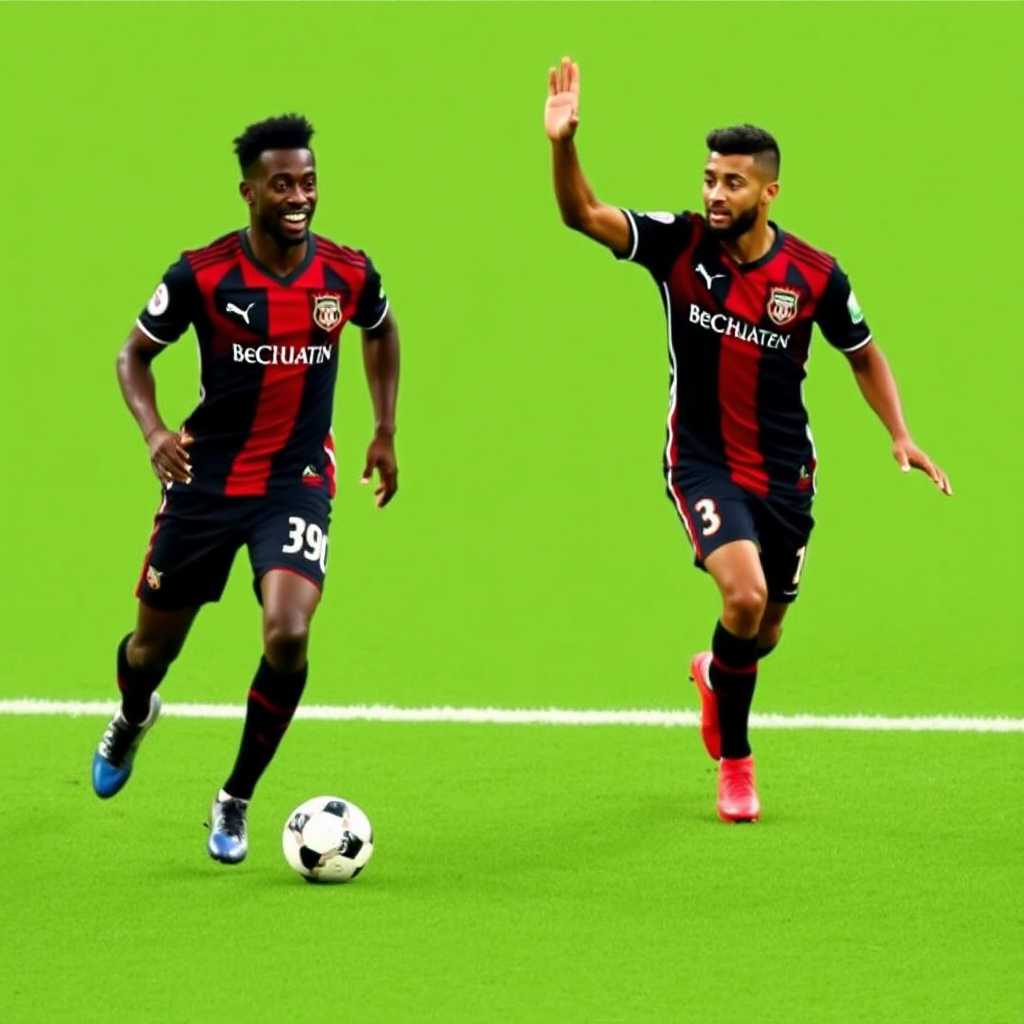
The floodlights reflect off the rain-slicked turf at San Siro during a European evening fixture. Within ten minutes, the rhythm shifts. Instead of relying on isolated dribbles or long diagonal switches, the central units begin interchanging positions deliberately. A holding midfielder drifts into half-space, drawing opposition pressure before releasing a short, weighted pass. Simultaneously, an advanced operator slips behind the first defensive line, turning toward goal rather than away from it. This deliberate restructuring marks what observers have noted recently: AC Milan focuses on creative midfield combinations for European ties, prioritizing spatial manipulation over rigid positional discipline. Understanding how this framework functions requires more than watching ninety minutes of footage. It demands a systematic breakdown of access points, analytical workflows, verification methods, and practical takeaways for different types of followers.
What Tactical Researchers and Supporters Are Looking For
When analyzing European campaigns, viewers rarely search for simple lineup confirmations. The underlying demand centers on movement patterns, trigger mechanisms, and how coaching staff adjust shape against varying defensive blocks. Fans and independent writers alike want to know which partnerships successfully break compact lines, how rest-defense structures protect transitions, and whether creative freedom correlates with actual chance creation. The conversation has shifted from static expected-goal tallies to dynamic network analysis, heat distribution, and progressive carry distance. Because match conditions change every forty-eight hours, reviewers now prioritize continuous tracking frameworks over post-match summaries. Accessing reliable insights follows a predictable path: initial discovery, structured evaluation, tool-based verification, and finally, synthesis into actionable observation.
 Hình minh hoạ: ok9
Structural Overview of the Midfield Approach
The operational model relies on flexible geometry rather than fixed roles. In possession, the unit typically forms a fluid three or four depending on opponent press intensity. A base midfielder anchors deeper circulation while two advanced operators interchange across the middle third. Creativity emerges through delayed runs, backward checks to receive facing forward, and quick combination play within tight radiuses. Defensively, the structure compresses vertically to limit vertical passing lanes, forcing wide accumulation before switching phases. This design reduces individual exposure during counter-transitions and allows technical players time to scan field geography before receiving. Coaches generally implement rotational substitutions based on fatigue thresholds and specific matchup requirements rather than rigid minute limits. Variations appear frequently against high-press sides, mid-block teams, and deep-defending opponents, confirming that tactical adaptability remains central to European preparation.

Navigating the Analysis Workflow Step by Step
Reviewing positional play effectively follows a measured sequence. First, identify primary data sources that provide clean event tagging and consistent camera angles. Registration typically involves selecting a tiered dashboard that displays passing networks, defensive actions, and transition zones. Once logged in, filter matches by competition level and opponent profile to isolate relevant samples. Next, overlay directional arrows on passing trees to visualize progression routes and identify overloaded zones. Cross-reference these visuals with second-metric outputs that track body orientation and reception quality. Finally, compile findings into comparative matrices that highlight consistency under pressure versus open-field execution. Readers who require real-time tactical feeds often consult dedicated platforms that aggregate match events and coaching notes. The infrastructure supporting these observations continues to evolve, and you can find more details at https://ok9.africa/. Independent evaluators also incorporate club press conferences and official training ground reports to verify whether observed patterns align with stated sporting directives.

Common Evaluation Risks and Verification Checklists
Positional analysis contains several recurring traps that distort interpretation. Sample size distortion occurs when a handful of possession-heavy matches are treated as permanent tactical identity. Context stripping ignores opponent strength, scorelines, and referee tolerance levels that heavily influence midfield behavior. Algorithmic blind spots frequently misclassify defensive blocks as passive buildup when they are actually structured waiting phases. To mitigate these issues, reviewers apply standardized verification steps before drawing conclusions.
- Synchronize broadcast timestamps with API event feeds to eliminate timing discrepancies.
- Compare optical tracking coordinates with sensor logs to remove positioning drift.
- Exclude non-league friendlies from datasets to preserve tactical relevance.
- Match observed patterns against published training session themes to confirm intentional design.
| Verification Stage | Primary Action | Purpose |
|---|---|---|
| Event Alignment | Sync broadcast timestamps with API feeds | Eliminate timing discrepancies |
| Coordinate Cross-Check | Compare optical tracking with sensor logs | Remove positioning drift |
| Competitive Filtering | Exclude non-league friendlies from datasets | Preserve tactical relevance |
| Coaching Correlation | Match observed patterns to published session themes | Confirm intentional design |

Frequently Asked Questions
How does European schedule congestion impact midfield rotation?
Rotation follows recovery metrics and accumulated load rather than fixed rest days. Coaches typically preserve technical operators for high-intensity matchups while deploying structurally sound alternatives during lighter fixtures. Management focuses on maintaining spatial cohesion regardless of personnel changes.
Why do creative combinations sometimes fade after sixty minutes?
Fatigue alters scanning frequency and decision speed. As neuromuscular recovery slows, players favor safer distribution channels over riskier progressive passes. Tactical adjustments usually involve dropping deeper operators or shifting wide runners inward to maintain circulation density.
Are set-piece routines tied to midfield structure?
Overlap. Set-piece delivery depends on goalkeeper distribution and target selection rather than central network patterns. Midfield operators primarily influence open-play sequencing, though some setups use transitional free-kick opportunities to reset shape.
Where can analysts access reliable passing network templates?
Reputable databases offer downloadable SVG files and CSV exports compatible with standard visualization software. These repositories update after each matchday and tag events by phase of play. Always verify version timestamps to avoid outdated node mapping.
Recommendations by Reader Group
Casual supporters should prioritize broadcast viewing paired with simplified infographic summaries. Focus on positional shifts rather than individual statistics, and allow multiple matches to establish baseline patterns. Tactical enthusiasts benefit from layering optical tracking data with event tagging software. Experiment with semi-transparent overlays to compare resting shapes against active buildup phases. Fantasy participants and simulation builders need to separate structural reliability from momentary brilliance. Assign higher weights to players who consistently occupy progressive corridors under medium press, and reduce reliance on isolated breakthrough performances. All groups should treat early-season European fixtures as diagnostic windows rather than final verdicts. Patience during sample expansion yields clearer identification of sustainable combinations versus temporary experimental setups. Maintaining disciplined observation habits ensures that future reviews remain anchored to repeatable mechanics instead of isolated highlights. For the full breakdown, visit https://ok9.africa/.