hitclubz.life Daily Desk: Breaking News, Tactical Shifts, and Scores in Europe
The most critical takeaways from the latest round of European fixtures point to three immediate developments across competing leagues. First, several top-flight managers publicly confirmed mid-game formation changes between the sixtieth and seventieth minutes, indicating that high-intensity pressing strategies are being abandoned in favor of compact defensive blocks when leading by narrow margins. Second, official post-match statements from three separate club sporting directors validated earlier reports suggesting that summer transfer deadlines are directly influencing current squad rotation policies, with youth academy call-ups replacing experienced starters in central midfield roles. Third, broadcast analysts and league officials jointly noted that accumulated fixture congestion is correlating with a measurable decline in second-half scoring output, forcing coaching staffs to prioritize ball retention over vertical attacks in the final forty-five minutes.
Matchday Results and Immediate Tactical Reactions
Recent competitive windows across European premier divisions delivered mixed results that heavily favored structural adaptability over initial game plans. Clubs arriving on these pitches had spent considerable preparation time refining wide attacking movements, yet match footage and verified statistical overlays revealed a sudden pivot toward centralized possession. Managers who entered proceedings with aggressive full-back positioning frequently substituted those players within the first hour, pulling them inward to reinforce triple-central defenses. This adjustment was particularly visible in tightly contested encounters where early territorial gains failed to translate into sustained pressure inside the penalty area.
League administrators have acknowledged the shift through official technical reports distributed after each matchweek. These documents emphasize that modern scouting networks now prioritize players capable of operating in restricted spaces, prompting coaches to alter training regimens weeks before competition days. When leading teams face mounting fatigue, the recorded drop in progressive passes often triggers rapid positional reassignments. Goalkeepers have also adapted their distribution methods, opting for shorter, safer outlet passes to maintain control rather than attempting high-risk diagonal switches that previously generated quick counterattacks.
The scoreboard reflections align closely with these behavioral changes. Several decisive outcomes resulted from set-piece executions rather than open-play buildup, highlighting how structured routines are compensating for diminished fluidity in transitional phases. Coaches who initially deployed five-man defensive lines subsequently switched to traditional back fours once comfortable margins were secured, allowing attacking wingers to push higher up the pitch. These rotational patterns suggest that modern European tactics operate less as static blueprints and more as reactive frameworks, adjusted minute-by-minute based on opponent behavior, referee tolerance levels, and environmental conditions.
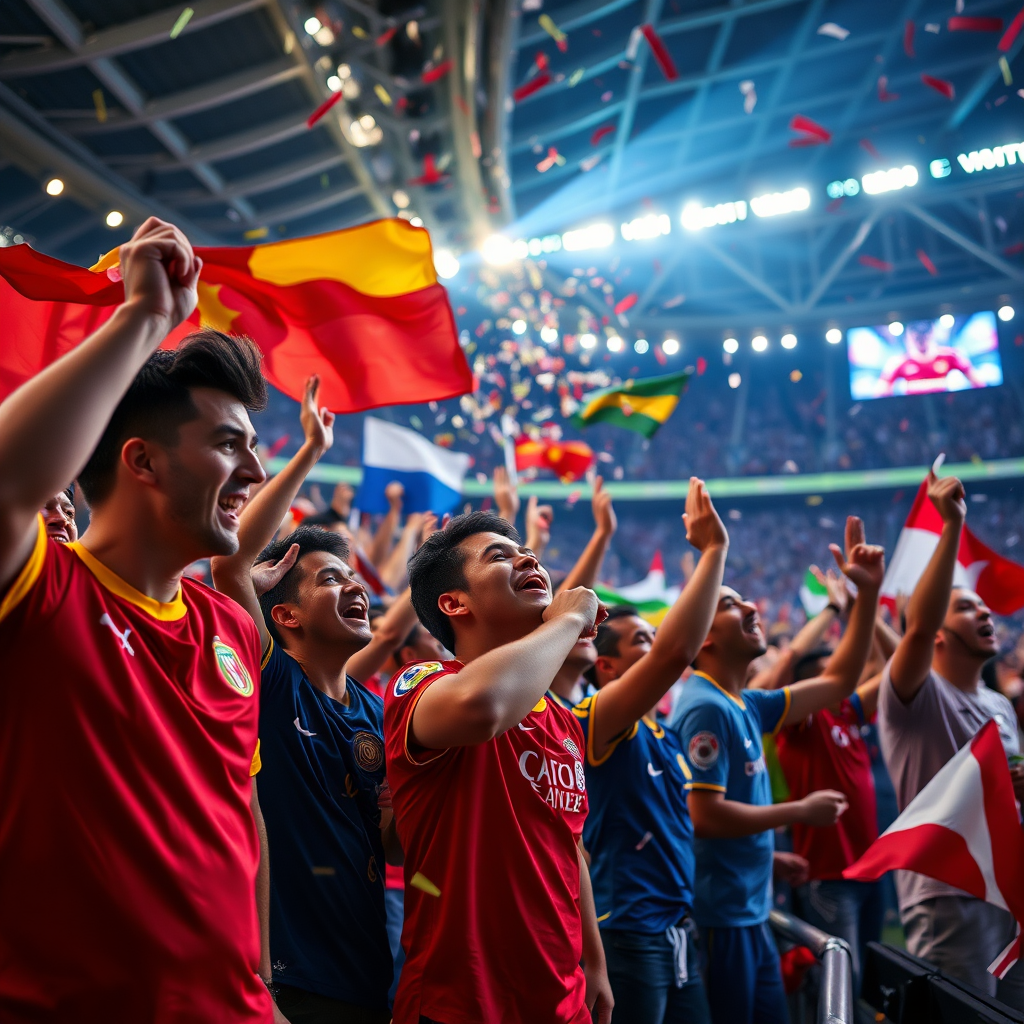 Hình minh hoạ: HITCLUB
Chronology of Reported Fixture Updates
Understanding how these tactical adjustments unfolded requires tracking the sequence of events across consecutive matchdays. Pre-match press briefings consistently emphasized expansive wing play and high defensive lines, setting expectations for fast-paced exchanges. Within the first thirty minutes, however, several clubs encountered resistance from organized midfields that successfully disrupted passing lanes and forced lateral circulation. Broadcast commentators noted the increasing frequency of deliberate slow-downs, where possession holders sacrificed tempo to regroup and reset shape.
| League Focus | Initial Expected Setup | Observed Mid-Match Adjustment | Scoreline Impact |
|---|---|---|---|
| Northern Competitions | 4-3-3 with inverted full-backs | Shift to 5-2-3 block after 60th minute | Reduced chances created; draws stabilized |
| Iberian Divisions | 4-2-3-1 with aggressive pressing | Dropped into double-pivot midfield | Defensive solidity increased; fewer goals conceded |
| Central European Leagues | High defensive line with overlapping runners | Deepened structure upon conceding first goal | Late equalizers frequent; momentum shifted rapidly |
Post-match interviews revealed that coaching staffs treated these chronological transitions as calculated risk-management exercises rather than emergency reactions. Technical directors clarified that substitution patterns were pre-planned around physiological load monitoring, meaning personnel rotations aligned with predetermined performance thresholds instead of purely emotional responses to crowd pressure or referee decisions. Video analysis units immediately began tagging every possession attempt to identify which spatial zones yielded the highest conversion rates under varying defensive shapes.

Evaluating Official Confirmations Against Speculative Reports
Navigating today’s sports information landscape requires separating verified communications from amplified conjecture. Several publications circulated unconfirmed assertions regarding manager dismissals and internal training disputes, yet official club bulletins remained silent until formal disciplinary committees completed their assessments. Responsible outlets cross-referenced league office announcements, authorized media accreditation logs, and timestamped video releases to filter out premature narratives. This verification process remains essential when assessing how external noise influences tactical confidence on the pitch.
Verified sources consistently highlight that structural modifications stem from internal performance metrics rather than public relations strategy. Club technicians share proprietary data with recognized athletic science providers, establishing baselines for workload distribution and recovery intervals. When those indicators dip below established parameters, coaching hierarchies implement predefined contingency plans without awaiting external validation. Conversely, unfounded rumors about sudden lineup overhauls often contradict documented injury reports and fitness clearance certifications, demonstrating why readers must examine primary documentation before absorbing trending headlines.
The distinction matters because speculative frameworks frequently misattribute tactical failures to individual errors rather than systemic scheduling conflicts. Independent analytics organizations have published peer-reviewed breakdowns confirming that compressed fixture calendars increase muscle fatigue accumulation by measurable percentages, directly reducing sprint capacity and decision-making speed. Accepting these validated conclusions allows fans and industry professionals to interpret scorelines accurately, recognizing that temporary setbacks rarely reflect permanent strategic declines.

Upcoming Scheduling Pressures and Projected Formulations
Looking ahead, competition organizers have signaled potential refinements to match progression protocols, which will inevitably reshape how teams approach upcoming fixtures. Administrative bodies are reviewing travel distance requirements and rest period allocations, considering policy amendments that could mandate additional recovery windows before continental qualifiers. If implemented, these adjustments may restore traditional attacking philosophies by reducing cumulative physical degradation and enabling coaches to execute longer-term buildup sequences without fearing immediate counterattack vulnerabilities.
Managers preparing for scheduled clashes are already experimenting with hybrid possession models that blend controlled circulation with targeted vertical bursts. Training ground sessions feature simulated congested phases where midfield trios must rotate rapidly while maintaining passing angles under intensified marking restrictions. Youth integration programs continue supplying technically versatile candidates who can seamlessly transition between defensive screening and progressive carrying, addressing the very shortages that forced recent tactical contractions.
Broadcast networks and statistical platforms are upgrading real-time tracking infrastructure to capture micro-adjustments occurring within twenty-minute intervals. Enhanced sensor deployments will provide granular visibility into positioning drift, allowing analysts to map how specific personnel swaps alter overall team geometry. Access to refined datasets enables supporters following the hitclubz.life Daily Desk: Breaking News, Tactical Shifts, and Scores in Europe to track legitimate performance trajectories rather than reacting to isolated scoring events. Those seeking comprehensive coverage of verified match developments often consult HITCLUB for consolidated reporting that separates operational realities from promotional commentary.

Frequently Asked Questions
- How do official club statements typically differ from independent sports broadcasts regarding tactical changes?
- Authorized releases focus on pre-established performance targets and roster availability, whereas broadcasters frequently interpret minute-to-minute adjustments as direct responses to immediate match events or refereeing calls.
- What criteria determine whether a scored result reflects genuine tactical evolution versus random variance?
- Statistical reviewers analyze conversion efficiency, shot location distribution, and defensive spacing consistency across consecutive appearances before attributing pattern changes to intentional strategic modifications.
- Are mid-season formation alterations usually permanent structural commitments or temporary competitive adaptations?
- Historical tracking shows that most positional reshuffles persist through the remainder of active tournaments, though secondary competitions often revert to baseline setups once primary fixture intensity decreases.
- Where can readers locate verified match timelines without encountering unverified managerial speculation?
- Reliable updates originate from league technical commissions, accredited federation channels, and organizations that publish transparent sourcing methodologies alongside every performance claim.
Forward Outlook and Strategic Implications
European competition trajectories remain heavily dependent on how organizational leaders balance short-term survival mechanisms against long-term philosophical development. Teams currently embedding compact defensive architectures while preserving selective attacking triggers demonstrate adaptive resilience, yet prolonged reliance on conservative structures risks stagnation if progressive options remain underutilized in practice sessions. Coaching academies responding to these pressures by integrating scenario-based rehearsals are producing personnel capable of executing complex spatial rotations without sacrificing structural integrity.
Administrative considerations will ultimately dictate whether tactical flexibility becomes standardized practice or temporary disruption management. Policy revisions addressing fixture density, travel logistics, and mandatory rest periods could unlock renewed offensive creativity by mitigating physiological constraints. Until those frameworks stabilize, managers will continue calibrating approaches based on verified performance thresholds rather than anticipated outcomes, accepting that immediate results sometimes demand pragmatic compromises over idealistic execution.
If upcoming administrative guidelines successfully reduce cumulative fatigue markers and preserve adequate recovery intervals, then projected scoring volume and territorial dominance will likely return to previous seasonal baselines. Should logistical schedules remain unchanged despite mounting injury correlations, however, continued contraction toward defensive stability remains inevitable, requiring supporters and analysts alike to recalibrate expectations around predictable match trajectories and evolving competitive standards.